The 1099 Trap: Why You Need a W-9 Before You Pay a Single Dollar to a Contractor
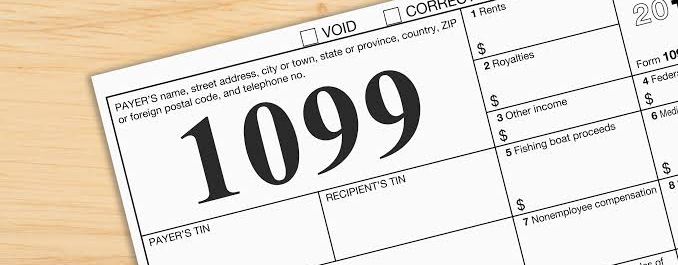
If you've ever hired a freelancer, virtual assistant, web designer, or subcontractor and thought "I'll get their info later" — you've already set the trap. Every January, I watch new business owners scramble to track down a contractor's Social Security number after that contractor has cashed their last check, stopped answering emails, or (worse) moved on entirely. By then, you're stuck.
Here's the fix, and it takes five minutes: get a completed Form W-9 from every contractor before you pay them for the first time. Not after the first invoice. Not "when I remember." Before.
Why this matters more than it seems
When your business pays an independent contractor $2,000 or more total during the year for services, you're generally required to report those payments to the IRS on Form 1099-NEC — and to send the contractor a copy by January 31 of the following year. (That $2,000 threshold is new: it rose from the long-standing $600 figure for tax years beginning after 2025, so if you've hired contractors before, don't assume the old number still applies.)
To fill out that form correctly, you need the contractor's legal name, business name (if any), address, and Taxpayer Identification Number — either a Social Security Number or an EIN. Form W-9 is simply the standard way a contractor hands you that information in writing, with their signature confirming it's accurate.
What happens if you skip this step
Two things, neither of them fun:
- You can't file an accurate 1099-NEC without it. Come tax season, you're left chasing down someone who may no longer want to share their SSN by email, may have changed addresses, or may just ghost you.
- The IRS can require you to withhold. If a contractor doesn't give you a correct TIN in the proper way, the IRS can require "backup withholding" — currently 24% — on future payments to them, which you're then responsible for sending to the IRS yourself. It's an avoidable headache for both sides.
The simple fix: build it into onboarding
The best time to request a W-9 is the same conversation where you agree on the rate, scope, or start date — before any money changes hands. A few practical ways to make it automatic:
- Add "send W-9" to whatever contractor onboarding checklist or welcome email you already use.
- If you use QuickBooks Online, Gusto, or a similar platform, many let contractors fill out their own W-9 digitally when you set them up as a vendor — one less form for you to chase.
- Keep a simple folder (digital or physical) where every signed W-9 lives, separate from other paperwork, so you're not hunting for it in December.
- Set a personal rule: no first payment goes out until the W-9 is in hand.
Keep the completed forms on file for at least four years after the relevant filing — you don't send W-9s to the IRS, but you need them on hand if you're ever asked to substantiate your 1099 filings.
Where I stop and your tax pro starts
I'm not a tax expert, and this content is for educational purposes only — not personalized tax advice. Whether a specific worker is a contractor or an employee, how the $2,000 threshold applies to your exact situation, and your backup withholding obligations are all worth confirming with your Enrolled Agent, CPA, or other qualified tax professional.
The takeaway
A W-9 is one of the smallest, least glamorous pieces of paperwork in your business — and one of the easiest to skip when you're focused on getting the work done. Build the habit now, while you only have a handful of contractors, and you'll never be the business owner frantically DMing a freelancer in late January asking for their Social Security number.
Need help setting up a simple contractor onboarding and 1099 tracking system? That's exactly the kind of thing we build into your books from day one — reach out and let's get it set up right.
Sources:
- IRS — About Form W-9: https://www.irs.gov/forms-pubs/about-form-w-9
- IRS — Forms and Associated Taxes for Independent Contractors: https://www.irs.gov/businesses/small-businesses-self-employed/forms-and-associated-taxes-for-independent-contractors
- IRS — 2026 Instructions for Forms 1099-MISC and 1099-NEC: https://www.irs.gov/instructions/i1099mec
- IRS — Backup Withholding: https://www.irs.gov/businesses/small-businesses-self-employed/backup-withholding